
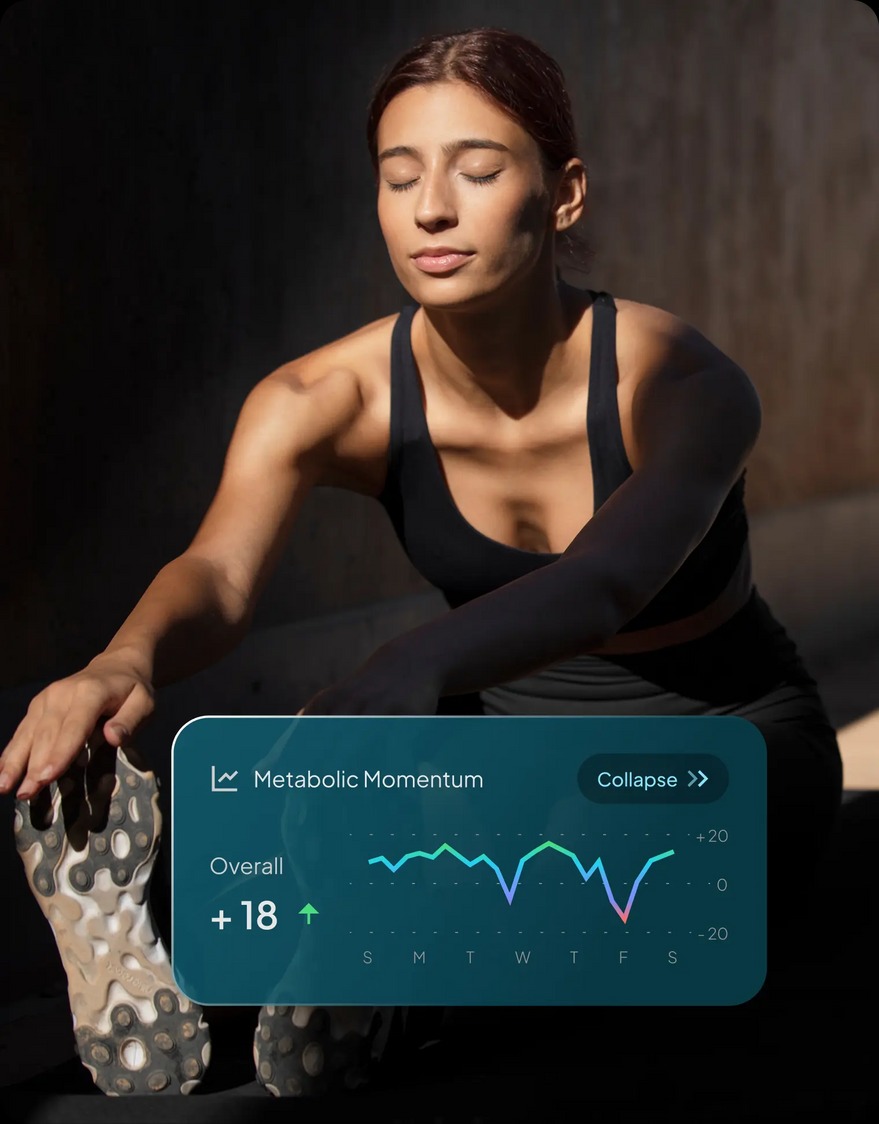
Fitness trackers are everywhere, but most of them feel the same once you’ve used a few. They count steps, give you heart rate averages, and maybe buzz when you’ve been sitting too long. The Hume Band takes a different approach. Instead of tallying numbers for the sake of it, it focuses on what your body is actually doing—your breathing, your recovery, your readiness to take on the day.
What You Need to Know
- Purpose: Health tracker that measures physiology, not just activity.
- Metrics: Respiration, oxygen levels, heart rate, HRV, and sleep stages.
- Comfort: Lightweight and slim enough for day and night wear.
- Performance: Helps spot stress, recovery needs, and resilience levels.
- Best for: Athletes, professionals, or anyone curious about how lifestyle choices impact health.
If you want more than a fancy pedometer, the Hume Band delivers.
Design and Build Quality
The first thing you notice is the size—or lack of it. The Hume Band is slim and low profile, nothing like the chunky smartwatches that dominate wrists. The strap is made of soft silicone, light enough that you forget it’s on. That’s important, because much of its value comes from wearing it around the clock, especially while you sleep.
It feels sturdy without being heavy. The material is durable, resistant to sweat, and easy to wipe down. This isn’t jewelry; it’s a practical health tool built for function first.
Everyday Comfort and Usability
A wearable is only useful if you can live with it. The Hume Band adjusts to fit different wrist sizes, and once it’s on, it doesn’t shift around or pinch. It’s comfortable enough to keep on during long office days, gym sessions, and overnight.
All the insights live in the Hume Health app. Syncing is straightforward, and the dashboard is designed to translate raw numbers into signals you can act on. For example, instead of just showing your heart rate, it tells you whether your body is primed for activity or if rest would serve you better.
Tracking and Performance
Here’s where the Hume Band stands apart. Instead of chasing calorie burn or steps, it zooms in on how your body is responding:
- Respiration rate: Fluctuations can reveal stress, fatigue, or early signs of illness.
- Oxygen saturation (SpO₂): Useful for endurance athletes and anyone monitoring cardiovascular health.
- Heart rate and HRV: Heart rate variability is a strong indicator of recovery and resilience, something most casual trackers ignore.
- Sleep stages: Goes beyond “light” and “deep” sleep, tying your nightly rest to how ready you’ll feel the next day.
This makes the data less about bragging rights and more about practical choices—when to push harder and when to ease off.
Battery Life and Durability
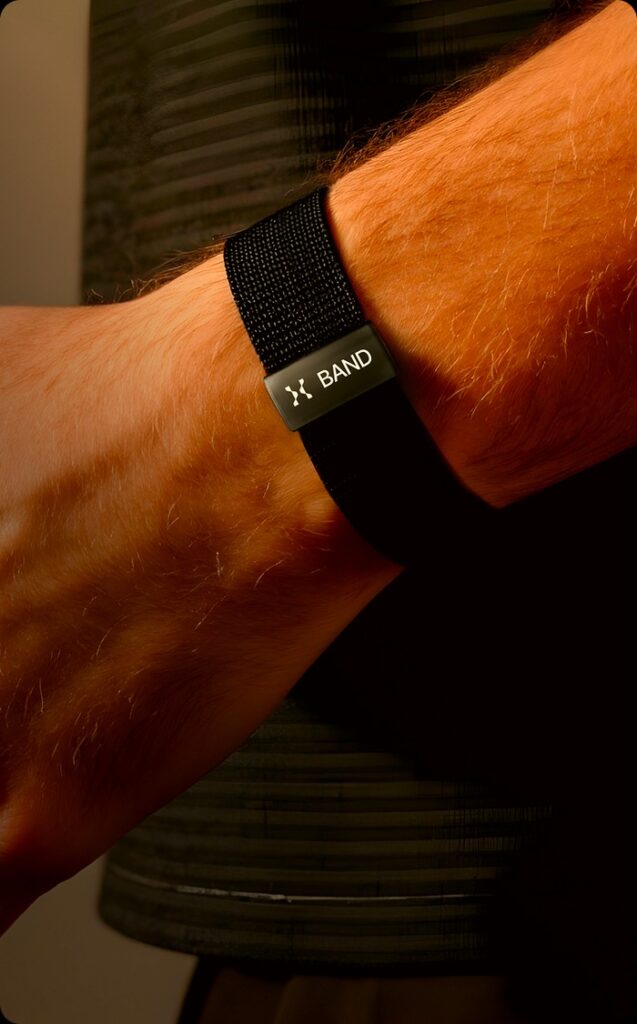
The band holds a charge for several days, depending on usage. That means you can wear it through the week without babysitting a charger every night. A quick recharge gets it back on track.
It’s water-resistant, so sweat, rain, or the occasional splash won’t bother it. You won’t take it scuba diving, but for workouts and daily life, it’s tough enough.
Pros and Cons
| Pros | Cons |
|---|---|
| Tracks real physiology, not just activity | Requires consistent wear for useful trends |
| Lightweight and comfortable | App takes a little time to learn |
| Detailed metrics: HRV, respiration, SpO₂ | Not a style piece like an Oura Ring |
| Works without a subscription | Battery recharges every 3–4 days |
| Water-resistant and durable | Price feels high if you only want step counts |
Who Should Consider It?
- Athletes: To balance training and recovery without burning out.
- Busy professionals: To see how stress and late nights actually affect resilience.
- Parents: To monitor fatigue and recovery when life gets overwhelming.
- Wellness fans: To pair with nutrition, meditation, or fitness routines and measure results.
Hume vs Other Wearables
WHOOP: Known for recovery tracking, but tied to a monthly subscription. Hume offers similar recovery insights without ongoing fees.
Oura Ring: Sleek and stylish, strong in sleep data. The Hume Band matches that but adds more focus on respiration and stress markers.
Smartwatches (Apple, Garmin, Fitbit): Great for notifications and activity tracking, but not as deep on physiology. Hume isn’t built to replace your phone—it’s built to interpret your body.
Verdict: If fashion is your priority, Oura wins. If you want notifications, stick with a smartwatch. But if health insights are your main goal, Hume is the better pick.

FAQs
Can I wear it at night?
Yes, and you should. Overnight data is a core part of what makes it valuable.
Is it accurate?
It uses medical-grade sensors for respiration and oxygen. It’s not lab-level, but it’s ahead of most consumer trackers.
How often do I charge it?
Every few days. Battery life is better than a smartwatch, shorter than a basic fitness band.
Is it waterproof?
It’s water-resistant for daily use and workouts, not for swimming laps.
Do I need a subscription?
No. The app works without extra fees, which sets it apart from WHOOP.
Why It Matters
Wearables can become background noise if they only give surface-level data. The Hume Band avoids that trap. By focusing on respiration, oxygen, HRV, and recovery, it tells you why your body feels the way it does, not just what you did.
For an athlete, that might mean smarter workouts. For a parent, it might mean realizing that fatigue isn’t just lack of coffee—it’s your body demanding real rest. For a professional, it might be the reminder that stress is showing up in your physiology before it shows up in your productivity.
The Hume Band isn’t trying to compete with smartwatches or replace your phone. It’s a dedicated health tool that strips away the fluff and focuses on what matters most: how your body is coping, recovering, and preparing for what’s next.
If you want to count steps, cheaper trackers exist. If you want to understand your health, the Hume Band is a strong choice.
Simple, focused, and informative. The Hume Band is for people who value clarity over gimmicks.